Fundraising is an important moment for early-stage companies for providing the capital necessary to build products, assemble teams and to enter the markets. In today’s rapidly changing finance landscape where the investor’s diligence and funding routes shift, thorough preparation is more crucial than ever.
Define Clear Milestones
Before seeking investment establish specific and measurable objectives for the next 12 to 24 months. These milestones might include revenue targets, user acquisition goals or product development achievements. Clear goals not only guide your strategic planning but also demonstrate to investors your commitment to growth and a well-thought-out roadmap.
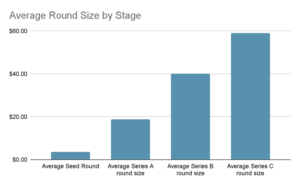
| Funding stage | Description | Typical Amount Raised | Key Objectives |
|---|---|---|---|
| Pre-Seed | Earliest funding stage, often from founders, friends, and family. | $50,000 – $200,000 | Develop prototype, market research. |
| Seed | Initial external funding from angel investors or early-stage VCs. | $500,000 – $2 million | Product development, early traction. |
| Series A | Venture capital funding to scale operations. | $2 million – $15 million | Market expansion, team growth. |
| Series B | Funding to scale the business and market reach. | $15 million – $50 million | Business development, market share growth. |
| Series C | Funding for major expansion, acquisitions. | $50 million and above | Diversification, global expansion. |
Develop a Comprehensive Financial Plan
With your goals in place create a detailed financial plan that defines the capital needed to meet each goal. The plan should include estimated expenses, expected revenues and cash flow projections.
| Year | Projected Revenue | Projected Expenses | Net Income |
| 2023 | $500,000 | $400,000 | $100,000 |
| 2024 | $750,000 | $550,000 | $200,000 |
| 2025 | $1,000,000 | $700,000 | $300,000 |
Gather Critical Documents
Create vital documents that detail your startup’s vision and operating strategy:
- Business Plan:
An in-depth description of your business model, market analysis, competitive landscape, and growth strategy.
- Financial Projections:
In-depth projections of income statements, balance sheets, and cash flow statements over the next 3-5 years.
- Pitch Deck:
A brief, engaging presentation summarizing your value proposition, market opportunity, business model, traction, and team.
Build a Strong, Diverse Team
Investors usually value the quality and coherence of the founding team. Gather a team with complementary skills and a common vision. Emphasizing each member’s expertise and role in the company increases your startup’s credibility and shows the team’s ability to implement the business plan successfully.
A cap table defines the ownership structure of the company, including shareholders and their corresponding equity stakes.
| Shareholder Name | Shares Owned | Percentage Ownership |
| Founder A | 500,000 | 50% |
| Founder B | 500,000 | 50% |
| Investor X | 200,000 | 20% |
Engage with the Startup Ecosystem
Start building relationships within the startup ecosystem long before attempting to raise money. Network, go to conferences, and talk to other founders and potential investors. These take time to develop but can generate great mentorship, partnerships, and investment connections.
Research and Prioritize Potential Investors
Find investors whose passions are aligned with your sector, stage, and vision. Make a focused list of prospective investors, ranking them by investment experience, industry interest, and value they can deliver beyond capital.
| Stage | Number of Investors |
| Initial Contact | 100 |
| Meetings Scheduled | 40 |
| Due Diligence | 20 |
| Term Sheets Offered | 10 |
| Investments Secured | 5 |
Get Ready for Due Diligence
Preempt the due diligence process by having all legal, financial, and operational documents ready. These involve incorporation documents, intellectual property documents, contracts, and compliance documents.
Practice and Sharpen Your Pitch
Preparing a strong narrative that would effectively express your startup’s mission, market opportunity, competitive edge and financial potential. Practice your pitch with the mentors, advisors and peers to obtain feedback and strengthen your presentation.
Be Resilient and Flexible
Fundraising is usually a difficult and time consuming process. Expect setbacks and rejections and learn from them to refine your strategy. Be flexible in the negotiations but remain committed to your startup’s core values and vision.
Conclusion
By carefully preparing for the changing landscape of fundraising you set your startup up for success. Proper preparation not only increases your attractiveness to investors but also provides a good foundation for the future growth and success of your startup.